-
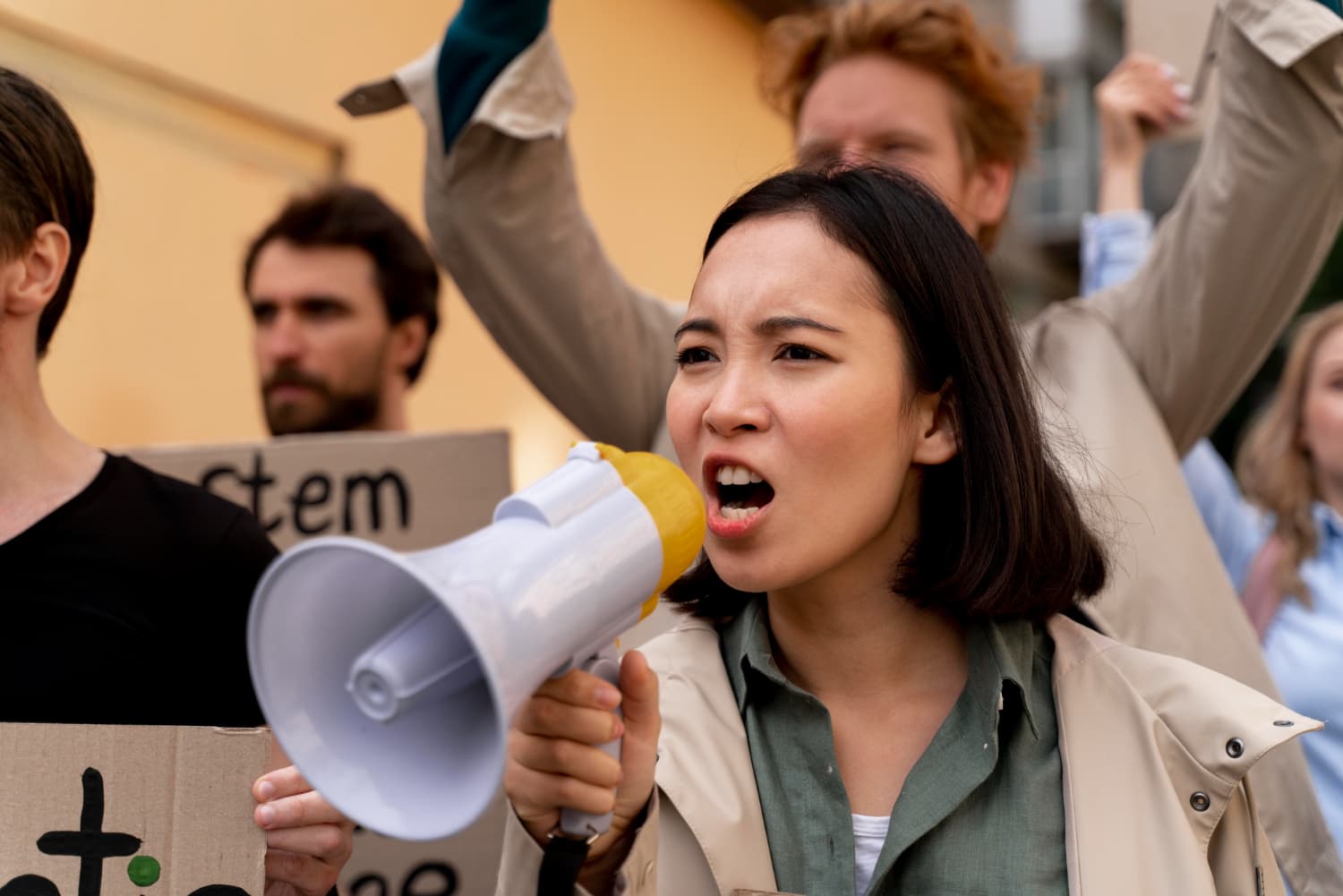
Voices of Change: Advocating for Social Rights in Asian Nations
The dynamic and diverse continent of Asia is a vibrant tapestry of cultures, traditions, and beliefs. Yet, beneath this surface lies a complex web of social issues, where millions strive for the basic rights and liberties that many take for granted. This article shines a light on the voices of change — individuals and groups tirelessly advocating for social rights in Asian nations. Understanding the Landscape of Social Rights in Asia The Diversity of Asia Asia’s vast expanse encompasses countries that differ greatly in history, culture, and socio-economic conditions. From the bustling streets of Tokyo to the rural villages in India, the spectrum is vast. This diversity gives rise to… Read More
-

The Legal Landscape of Online Betting in India: Risks and Rewards
In recent years, the world has witnessed a digital revolution that has significantly impacted various industries. One of the most transformed sectors is online betting, and in India, it’s no exception. This article delves into the complex legal landscape of online betting in India, uncovering the risks and rewards that players and operators face. The digital age has revolutionized the way we place bets. From the convenience of your smartphone, you can now bet on cricket matches and horse racing betting sites in india and even play virtual slot machines. But what’s the legal status of online betting in India? Understanding Online Betting Before delving into the intricate legal aspects,… Read More
-

Children’s Rights: Protecting the Most Vulnerable
Children, our most precious and vulnerable members of society, have rights that must be upheld and protected. These rights, enshrined in various international and national laws and conventions, form the cornerstone of a just and compassionate society. In this article, we delve into the world of children’s rights, exploring their definition, the critical importance of safeguarding the most vulnerable among them, and providing an overview of the structure that will guide our journey through this crucial topic. Children’s rights encompass a set of fundamental entitlements that recognize the unique needs and vulnerabilities of individuals under the age of 18. These rights are grounded in the belief that every child, regardless… Read More
-

Environmental rights
Despite the dangers of rights inflation, there are undoubtedly norms that should be counted as human rights but are not universally recognized as such.
OUR CERTIFICATIONS